
How To Support The Liver: Herbal Detoxification
Understanding How Herbs Support Detoxification
Herbal detoxification represents an ancient practice increasingly validated by modern research. Imagine your body as an intricate, self-cleaning ecosystem – a remarkable machine constantly working to maintain balance amidst a sea of environmental challenges. Herbal detoxification isn’t just a trendy wellness concept; it’s a time-honored practice deeply rooted in our biological intelligence, now increasingly validated by modern scientific research.
Our bodies are miraculous networks of detoxification systems with four primary elimination pathways:
- Liver: The master detoxification organ
- Kidneys: Filtering and water-soluble toxin elimination
- Lymphatic System: Cellular waste management
- Skin: External toxin release through sweat and sebaceous secretions
Your body naturally detoxifies all the time, but if certain organs, such as the liver, are under stress, it can’t optimally remove these daily toxins we are exposed to. When your liver becomes overwhelmed, it’s like a sophisticated filtration system running at reduced capacity. The consequences extend far beyond physical symptoms – compromised detoxification can directly impact:
- Mental clarity
- Emotional regulation
- Hormonal balance
- Immune system functionality
Various botanical compounds can support these natural processes through multiple mechanisms of action, offering complementary approaches to conventional medicine.
Contemporary understanding of detoxification has evolved significantly from traditional perspectives. In today’s world, our bodies are constantly exposed to toxins from processed foods, environmental pollutants, and everyday stressors. Fortunately, nature has provided us with powerful botanical compounds that work synergistically with our body’s natural detoxification mechanisms. Unlike historical herbalism’s aggressive purging techniques, contemporary evidence-based approaches focus on gentle, supportive interventions. This shift reflects a deeper understanding of human physiology and pharmacognosy—the study of medicinal compounds derived from natural sources.
But how do detox herbs actually work? Let’s explore the science behind herbal detoxing and how you can safely incorporate these natural remedies into your wellness routine.
The Role of the Liver in Detox
The liver stands as the body’s primary detoxification organ, processing approximately 1.5 liters of blood per minute through sophisticated biochemical pathways. It processes and eliminates toxins, ensuring that harmful substances don’t accumulate in our system. This remarkable organ employs a two-phase detoxification process:
Phase I (Transformation):
Cytochrome P450 enzymes convert toxins into intermediate metabolites through oxidation, reduction, and hydrolysis reactions. These enzymes in the liver break down toxins into smaller molecules. This phase generates free radicals, which can be harmful if not neutralized. This transformation makes fat-soluble toxins more reactive, preparing them for Phase II processing.
Phase II (Conjugation):
These smaller molecules are further processed and made water-soluble so they can be excreted through urine or bile. The liver attaches water-soluble molecules to transformed toxins through processes including glucuronidation, sulfation, and glutathione conjugation. These modifications increase solubility, facilitating elimination through bile or urine.
Several factors can compromise liver function, including:
- Excessive alcohol consumption
- Poor dietary choices high in processed foods
- Environmental toxin exposure
- Certain medications
- Viral infections
When the liver becomes overwhelmed, incomplete detoxification may result in oxidative stress, inflammation, and compromised cellular function. Certain herbs help optimize these phases and, more importantly, support your body and organs, ensuring toxins are efficiently removed while protecting the liver from oxidative stress. This understanding illuminates why supporting hepatic processes forms the cornerstone of evidence-based detoxification protocols.
Key Herbal Compounds for Detoxing
Herbs contain bioactive compounds that promote detoxification. Numerous botanical compounds demonstrate hepatoprotective and detoxification-enhancing properties. These phytochemicals work through diverse mechanisms. Here are some of the most effective ones:
Silymarin Complex
Derived from milk thistle (Silybum marianum) silymarin is one of the most extensively studied hepatoprotective compounds. This flavonoid complex:
- Stabilizes cellular membranes against toxin infiltration
- Increases glutathione synthesis—a critical antioxidant for detoxification
- Stimulates protein synthesis for hepatic cell regeneration
- Exhibits anti-inflammatory and antioxidant activity
- Active compound: Silymarin
- Benefits: Protects liver cells, enhances regeneration, and combats oxidative stress.
Research indicates silymarin’s particular efficacy in addressing alcohol-related liver damage, nonalcoholic fatty liver disease, and toxin-induced hepatic injury.
Bitter Principles
Found abundantly in dandelion (Taraxacum officinale), artichoke (Cynara scolymus), and gentian (Gentiana lutea), bitter compounds stimulate digestive secretions and enhance bile flow. This choleretic action facilitates the elimination of fat-soluble toxins through several mechanisms:
- Increasing bile production and secretion
- Enhancing gallbladder contractions
- Supporting Phase II conjugation reactions
- Improving intestinal elimination of waste products
- Benefits: Stimulates bile production, which aids in flushing out toxins.
Sulfur-Containing Compounds
Members of the Allium and Brassica families (garlic, onions, broccoli, cauliflower) contain organosulfur compounds that significantly upregulate Phase II detoxification enzymes:
- Allicin (from garlic) increases glutathione S-transferase activity
- Sulforaphane (from broccoli) activates nuclear factor erythroid 2-related factor 2 (Nrf2), a master regulator of cellular detoxification
- Indole-3-carbinol (from cruciferous vegetables) modulates cytochrome P450 enzyme expression
- Benefits: Supports kidney function and helps remove heavy metals from the blood.
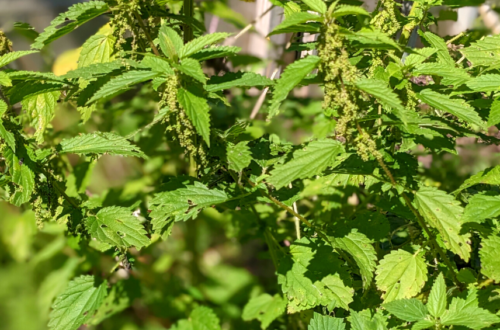
These compounds demonstrate a remarkable ability to enhance the body’s detoxification capacity while simultaneously providing antioxidant protection against oxidative damage. Other compounds to look for are saponins, which act as a blood purifier and support skin health. They are found in Sarsaparilla (Smilax spp.). Flavonoids and chlorophyll, found in stinging nettle (Urtica dioica), reduce inflammation and promote kidney function.
Scientific Studies on Detox Herbs
Scientific research has transformed herbal detoxification from a realm of folk wisdom to a field of rigorous investigation. Emerging studies now provide substantive evidence that moves beyond traditional anecdotal narratives, offering robust mechanistic insights into how herbal interventions support the body’s natural detoxification processes.
Milk Thistle & Liver Health:
Milk thistle extract has been extensively studied for its role in supporting liver health. Research published in Phytotherapy Research found that silymarin, the active compound in milk thistle, helps protect the liver from toxins and promotes cell repair (study link).
The recommended dosage of standardized silymarin extract typically ranges from 140 mg to 800 mg daily, with higher doses used for more severe liver conditions.
Dandelion Root & Liver Health:
Once known primarily as a traditional remedy, dandelion is now recognized as a scientifically validated liver-supporting herb. In vitro studies suggest it can increase bile flow by up to 40%, further promoting detoxification.
A 2017 study in Food and Chemical Toxicology examined dandelion extract’s effects on alcohol-induced liver damage in animal models. The results showed a significant reduction in inflammation and oxidative stress while also restoring glutathione levels—an essential antioxidant for liver protection (study link).
Although human clinical trials are still limited, early research suggests dandelion may have potential applications in managing metabolic disorders and liver dysfunction. Ongoing studies are evaluating standardized extracts for possible pharmaceutical development.
Additional Herbal Detox Heroes
Burdock Root
- Specialized in removing heavy metals from the bloodstream
- Highlighted in complementary medicine research
Nettle
- Supports kidney function
- Increases urine flow
- Reduces oxidative stress
Key Takeaways
Modern scientific research validates what traditional healers have known for centuries: herbs are powerful tools for supporting our body’s natural detoxification processes. However, it’s crucial to approach herbal supplements with knowledge and care.
Please note that while these studies provide valuable insights into the potential benefits of these herbs, it’s essential to consult with a healthcare professional before making any significant changes to your health regimen.
Safe Detox Practices
While herbal detoxing can be beneficial, it’s essential to follow safe and effective practices:
Integrating Herbs Safely
Choose High-Quality Herbs
Opt for organic, non-GMO herbs to avoid pesticides and contaminants that could counteract detox benefits.
Start Slow
Introduce detox herbs gradually to monitor how your body responds and avoid overwhelming your system. Begin with single herbs in moderate doses, monitoring for individual responses before combining multiple botanicals.
Consider interactions
Many detoxification herbs alter cytochrome P450 enzyme activity, potentially affecting medication metabolism. Consult healthcare providers if taking prescription medications.
Duration considerations
Extended use of powerful detoxification herbs may disrupt normal metabolic processes. Cycling protocols (two weeks on, one week off) often provides optimal benefits while minimizing potential downsides.
Supporting the Whole System
Avoid Extreme Detoxes
Avoid harsh detox protocols that promote fasting or excessive diuretic use, as they can strain your body.
Support Your Gut
A healthy gut microbiome enhances detoxification. Include probiotic-rich foods like yogurt, kefir, and fermented vegetables.
Stay Hydrated
Water helps flush out toxins, so drink at least eight glasses a day during a detox regimen.
Dietary foundations
Emphasize whole foods rich in:
- Fiber to bind intestinal toxins and promotes elimination
- Antioxidants to neutralize reactive compounds
- Protein to provide amino acid precursors for conjugation reactions
- Complex carbohydrates to maintain stable blood glucose
Movement practices
Regular physical activity enhances circulation, lymphatic flow, and sweat production, all of which contribute to enhanced toxin elimination.
Stress management
Chronic stress depletes glutathione reserves and compromises liver function. Mind-body practices, including meditation, deep breathing, and appropriate sleep hygiene, support optimal detoxification capacity.
Evidence-based herbal detoxification requires thoughtful implementation and appropriate precautions. While botanical supports offer significant benefits, they must be integrated within a comprehensive approach to health.
Combining Traditional Wisdom with Modern Research
The evolving understanding of herbal detoxification represents a fascinating convergence of traditional knowledge and contemporary science. While indigenous healing traditions worldwide recognized the detoxifying properties of certain plants centuries ago, modern research now provides mechanistic explanations for these observed effects.
This integration creates powerful opportunities for evidence-based protocols that honor traditional wisdom while incorporating scientific validation. The most effective approaches typically combine elements from multiple traditions within frameworks supported by current research.
Final Thoughts
Herbal detoxification is a time-tested practice backed by modern science. By incorporating detoxifying herbs like milk thistle, dandelion, and burdock into your wellness routine, you can support your liver, boost energy, and promote overall health. By supporting the body’s innate detoxification pathways—particularly hepatic Phase I and II processes—specific herbs can enhance elimination of environmental toxins, metabolic waste products, and potentially harmful compounds.
Remember, the key to effective detoxing is balance—pairing herbal remedies with a nutritious diet, hydration, and mindful lifestyle choices. This holistic approach acknowledges the interconnected nature of human physiology and the multiple systems involved in eliminating unwanted substances.
Gentle, supportive approaches typically yield better outcomes than aggressive “cleansing” protocols. By working with the body’s innate wisdom rather than forcing dramatic changes, herbal detoxification can provide sustainable benefits within a comprehensive wellness strategy.
Embrace the power of nature and give your body the gentle, nourishing cleanse it deserves!
When to Seek Professional Guidance
While gentle, supportive herbs benefit most individuals, certain situations warrant professional consultation:
- Pre-existing liver or kidney conditions
- Pregnancy or breastfeeding
- Autoimmune disorders
- History of adverse reactions to botanical medicines
- Complex medication regimens
- Symptoms suggesting serious underlying conditions

Wellness managed holistically through herbal & spiritual connectivity
- Spiritual Cleansing with Plants: A Complete Guide
- Calendula Magical Properties: Unlocking the Ancient Secrets of the Golden Healer
- Healing Herbs of Early Spring: 5 Wild Medicinals to Forage Now
- Embracing the Blood Moon Magic: A Beginner’s Guide to Lunar Eclipses
- Dancing with the Moon: Harnessing Lunar Energy for Your Wellness Journey





One Comment
Pingback: